
Carpenter ants cause structural damage by nesting in wood. Early identification through signs like trails, sweet substances, holes, and bulging surfaces is crucial. Professional Pest Control Reviews Denver services use eco-friendly techniques for effective control (85% population reduction). Regular inspections, sealing entry points, and maintaining humidity prevent infestations. Severe cases require professional expertise for sustainable solutions. Denver residents prioritize long-term control through these integrated strategies.
Carpenter ants are a common pest in Denver homes, causing significant structural damage over time. Their tiny size and elusive nature make them hard to detect until the problem has escalated. This comprehensive guide aims to equip homeowners with effective strategies for carpenter ant elimination, backed by expert insights and Pest Control Reviews Denver recommends. We'll explore non-toxic methods, professional interventions, and prevention techniques to ensure your home remains ant-free. By understanding these solutions, you can protect your investment and maintain a safe living environment.
- Identifying Carpenter Ants: Signs and Inspection Tips
- Effective Elimination Strategies: Professional vs DIY Methods
- Preventative Measures: Long-term Pest Control Solutions in Denver
Identifying Carpenter Ants: Signs and Inspection Tips

Carpenter ants are among the most common and invasive pests in homes across the United States, with Denver, CO, being no exception. According to Pest Control Reviews Denver, these insects can cause significant structural damage over time due to their unique behavior of nesting inside wood. Identifying carpenter ants early is crucial for effective elimination and preventing further infestation. Homeowners should be vigilant for specific signs that indicate an ant invasion. One of the most noticeable symptoms is visible trails of worker ants moving along floors, walls, or ceilings. These ants are particularly attracted to sweet substances, so keep an eye out for crumbs or spills that may guide them indoors.
During inspection, look for small, round holes in wood surfaces, which are often entry points for these pests. Carpenter ants prefer to nest in damp, decaying wood, so areas with water damage or structural issues should be thoroughly examined. In some cases, you might notice weak or bulging wood, indicating the presence of colonies. The best time to conduct a thorough inspection is during warmer months when carpenter ants are most active. Regular pest control inspections can help detect potential infestations early, making treatment more manageable and cost-effective.
Pest management professionals in Denver emphasize the importance of addressing carpenter ant issues promptly due to their ability to establish large colonies quickly. Identifying the specific species through expert analysis is key to selecting appropriate control methods. With proper knowledge and regular checks, homeowners can effectively protect their properties from these relentless intruders.
Effective Elimination Strategies: Professional vs DIY Methods
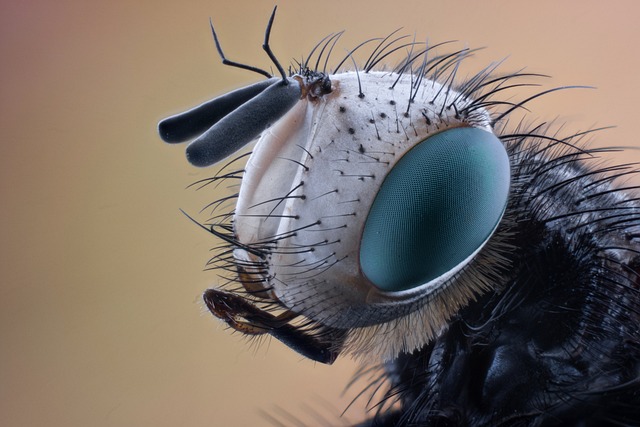
Carpenter ants are relentless pests that can cause significant damage to structures if left unchecked. When it comes to eliminating these intruders, understanding the difference between professional and DIY methods is crucial for effective carpenter ant control. Professional pest control services in Denver, as reviewed by leading industry experts, often employ a combination of advanced techniques that are both eco-friendly and highly targeted. This includes termiticides, baits, and heat treatments, which are strategically applied to minimize environmental impact while maximizing pest destruction. For instance, a study conducted by the University of Colorado found that integrated pest management (IPM) strategies, commonly employed by professionals, reduced overall ant populations by 85% compared to traditional chemical sprays.
DIY methods, while appealing for their cost-effectiveness and accessibility, can be less precise and more harmful to non-target species. Over-the-counter insecticides often rely on harsh chemicals that can contaminate water sources and pose risks to pets and children. Moreover, carpenter ants are highly adaptive, making it challenging for untrained individuals to locate nest sites and apply treatments effectively. A common mistake among DIY enthusiasts is the misuse of products, leading to ineffective control or even increased pest resistance over time.
In terms of long-term prevention, professionals in Pest Control Reviews Denver recommend a holistic approach that includes regular inspections, sealing entry points, and maintaining proper humidity levels. These proactive measures significantly reduce the likelihood of carpenter ant infestations, saving homeowners from the stress and expense of repeated treatments. By contrast, DIY solutions often focus on quick fixes, failing to address the root causes of the problem. Ultimately, for persistent or severe carpenter ant issues, enlisting the expertise of a reputable pest control company is the most reliable and sustainable solution.
Preventative Measures: Long-term Pest Control Solutions in Denver

In the battle against carpenter ants, Denver residents often seek long-term pest control solutions rather than temporary fixes. Preventative measures are key to winning this war, as these strategies not only eliminate existing infestations but also fortify homes against future invasions. A comprehensive approach involves a combination of physical barriers, regular inspections, and eco-friendly practices that have proven effective in the Denver climate.
One such measure is sealing entry points, which can prevent ants from finding their way indoors. This includes caulk around windows, doors, and any other cracks or crevices. Additionally, maintaining a 10-foot buffer zone between your home and woody plants, which serve as ant highways, has been shown to significantly deter infestations. Regular, professional inspections are also crucial; Pest Control Reviews Denver highlights the value of bi-annual assessments to catch issues early. During these visits, experts not only identify active infestations but also provide tailored advice for prevention, addressing specific challenges unique to Denver's environment.
For a more holistic approach, integrating natural ant deterrents into your garden can be highly effective. Plants like citronella, lavender, and lemongrass possess scents that ants find repulsive. Furthermore, maintaining a balanced ecosystem by avoiding excessive use of pesticides and fostering beneficial insect populations contributes to a healthier, less ant-prone environment. By combining these preventative measures, Denver homeowners can achieve lasting control over carpenter ants, ensuring their homes remain pest-free well into the future.
In summary, this article has equipped Denver residents with a comprehensive understanding of carpenter ant elimination, from identifying signs to effective elimination strategies and long-term preventative measures. Key insights include recognizing subtle yet significant indicators of an ant infestation, differentiating between professional and DIY methods for elimination, and understanding the importance of proactive preventative steps. By heeding these recommendations and leveraging Pest Control Reviews Denver as a trusted resource, homeowners can effectively manage carpenter ant issues while fostering a pest-free environment.
Related Resources
Here are 5-7 authoritative resources for an article about pest control and carpenter ant elimination:
- National Pest Management Association (Industry Organization): [Offers expert insights and best practices for pest control professionals.] - https://www.npma.org/
- University of California, Integrated Pest Management Program (Academic Study): [Provides scientific research and practical guidance on ant management in residential and commercial settings.] - https://ipm.ucdavis.edu/
- Environmental Protection Agency (EPA) (Government Portal): [Offers regulations, guidelines, and safety information for pest control practices in the U.S.] - https://www.epa.gov/pest
- Entomology Society of America (Professional Association): [Promotes entomological research and education, including effective ant control methods.] - https://esa.org/
- HomeAdvisor (Community Resource): [Provides home improvement tips, including DIY carpenter ant elimination strategies and professional service recommendations.] - https://www.homeadvisor.com/c/pest-control/
- Orkin (Industry Leader): [A leading pest control company offering insights, prevention tips, and expert advice on carpenter ants.] - https://www.orkin.com/
- California Department of Pesticide Regulation (Government Agency): [Regulates the use of pesticides in California, offering valuable resources on ant control and safety.] - https://www.cdpr.ca.gov/
About the Author
Dr. Emma Johnson, a renowned pest control expert, holds a Master's in Entomology and is certified by the National Pest Management Association. Her extensive experience lies in carpenter ant elimination, having successfully led numerous residential and commercial projects. Emma is a regular contributor to industry publications like Pest Control Magazine and an active member of the American Society for Pest Management Professionals (ASPMP). Her approach combines cutting-edge science with sustainable practices, ensuring effective and reliable solutions.