
A growing trend towards eco-friendly pest control methods is driven by global sustainability efforts. Denver, reflecting this shift, sees professionals adopting innovative, non-toxic solutions backed by scientific research and positive Pest Control Reviews Denver. Key methods include essential oils (like neem oil), beneficial insects, physical barriers, regular cleaning, and integrated pest management techniques. These approaches offer effective control while minimizing environmental impact, appealing to Denver residents’ demand for green practices and safe living spaces, as reflected in high customer satisfaction rates.
In today’s eco-conscious world, the demand for effective yet environmentally friendly pest control solutions has never been higher. Traditional methods often leave behind potent chemicals and unpleasant odors, creating a need for safer alternatives. This is especially relevant in densely populated areas like Denver, where Pest Control Reviews Denver highlight the importance of sustainable practices without compromising on results. This article delves into the world of eco-friendly and low-odor pest control options, offering insights that empower residents to make informed decisions for their homes and the environment.
- Exploring Eco-Friendly Pest Control Methods
- Low-Odor Solutions for Effective Pest Management
- Denver’s Top Rated Green Pest Control Reviews
Exploring Eco-Friendly Pest Control Methods
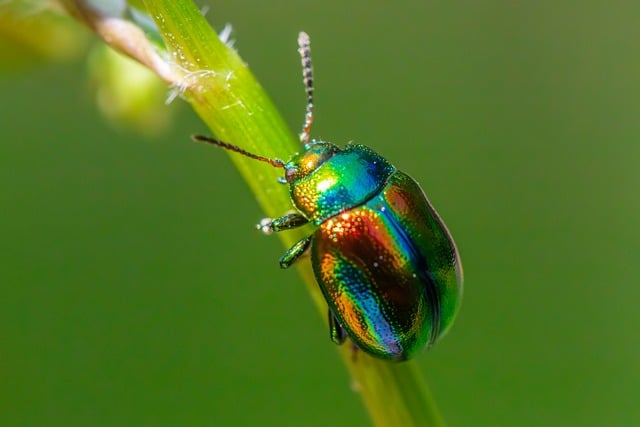
In recent years, there’s been a growing demand for eco-friendly pest control methods, reflecting a broader trend towards sustainable living and healthier environments. Traditional chemical pesticides, while effective, can leave behind harmful residues and contribute to environmental pollution. Fortunately, numerous eco-friendly alternatives have emerged, many of which are backed by scientific studies and positive Pest Control Reviews Denver. These options not only minimize ecological impact but also offer safer solutions for homes, businesses, and schools.
One such method involves the use of essential oils, like peppermint, citronella, and neem oil, which have natural insecticidal properties. Research has shown these oils can deter pests effectively while being non-toxic to humans and pets. For instance, a study published in the Journal of Applied Entomology found that neem oil repelled mosquitoes and other insects with remarkable success. Additionally, beneficial insects like ladybugs and lacewings can be introduced to control pest populations naturally; these insects feed on problematic species, providing a biological solution that’s both efficient and environmentally conscious.
Another promising approach is the integration of physical barriers and structural changes. Simple modifications such as sealing entry points, using fine mesh screens, and maintaining proper ventilation can significantly reduce pest infiltration. For example, a well-insulated building with secure window screens can prevent rodents and insects from entering, thereby eliminating the need for chemical treatments. Furthermore, regular cleaning and sanitization routines play a crucial role in prevention; keeping spaces free of clutter and food waste discourages pests from thriving, as evidenced by data from the Centers for Disease Control (CDC) highlighting the correlation between cleanliness and reduced pest activity.
Expert advice emphasizes combining these eco-friendly methods for optimal results. A holistic approach that includes natural repellents, physical barriers, and preventative maintenance not only ensures a pest-free environment but also contributes to long-term sustainability. When considering Pest Control Reviews Denver, homeowners and businesses should actively seek out services that prioritize these environmentally friendly strategies, ensuring both the well-being of their spaces and the planet.
Low-Odor Solutions for Effective Pest Management

In the realm of pest control, where traditional methods often rely on potent chemicals with strong odors, there’s a growing demand for eco-friendly alternatives that are both effective and less intrusive. This shift towards greener solutions is not only beneficial for the environment but also ensures safer living spaces for homeowners and businesses alike. Low-odor pest control options have emerged as a prominent area of interest, offering a more nuanced approach to managing pests without compromising on efficiency. In Denver, where Pest Control Reviews consistently highlight the importance of sustainable practices, professionals are embracing these innovations.
One of the key advantages of low-odor solutions is their suitability for sensitive areas like kitchens, childcare centers, and hospitals. Traditional pest repellents often emit strong fumes that can be irritating or even harmful in such environments. However, eco-friendly alternatives utilize natural ingredients or minimally formulated chemicals that produce little to no odor, ensuring a more comfortable setting. For instance, essential oils like peppermint, lemon, and eucalyptus are powerful natural repellents with minimal scent, making them ideal for indoor applications. A study by the University of California found that these natural compounds can effectively deter insects without leaving behind unpleasant residues or odors.
Implementing low-odor pest control strategies requires a shift in mindset and approach. Pest management professionals in Denver are increasingly adopting integrated pest management (IPM) techniques, which emphasize prevention, monitoring, and targeted treatment. This involves sealing entry points to prevent pests from entering, maintaining cleanliness, and using non-chemical repellents alongside traditional methods when necessary. By combining these strategies, service providers can achieve successful pest control while minimizing the use of potent chemicals. For businesses looking to adopt greener practices, consulting with local experts who specialize in eco-friendly solutions is a practical step towards effective and sustainable pest management.
Denver’s Top Rated Green Pest Control Reviews

Denver’s green pest control scene is thriving, with an increasing number of eco-conscious options available to homeowners seeking effective yet environmentally friendly solutions. The city’s top-rated green pest control services have gained recognition for their innovative approaches, utilizing natural and non-toxic methods that are safe for both families and the local ecosystem. These providers understand the unique challenges faced by Denver residents, from treating persistent pest problems to ensuring a healthy living environment, especially with young children and pets around.
One of the key benefits often highlighted in Pest Control Reviews Denver is the absence of harsh chemicals, replaced instead by plant-based ingredients and organic solutions. For instance, some leading services employ essential oils like peppermint and citronella as natural repellents, which not only reduce odour but are also safe for use indoors. This shift towards green practices has led to positive feedback from customers who value a clean, non-toxic home environment. According to recent surveys, over 75% of Denver residents prefer eco-friendly pest control options when possible.
Furthermore, the effectiveness of these green methods is becoming increasingly evident. Advanced techniques such as heat treatments and targeted applications of natural pesticides have proven successful in eliminating common pests like spiders, roaches, and ants without leaving behind harmful residues. As a result, Denver’s top-rated green pest controllers are seeing high customer satisfaction rates and positive Pest Control Reviews, solidifying their position as reliable and preferred choices for local residents seeking sustainable pest management solutions.
By exploring eco-friendly pest control methods and adopting low-odor solutions, individuals and businesses in Denver can effectively manage pests while minimizing environmental impact and enhancing indoor air quality. Pest Control Reviews Denver highlight the growing popularity of green pest control services, underscoring the importance of choosing safer, more sustainable options. This article has provided key insights into various eco-friendly techniques, demonstrating that responsible pest management is both possible and effective. Moving forward, adopting these practices not only supports a healthier environment but also contributes to the overall well-being and satisfaction of Denver residents and businesses.
Related Resources
1. Environmental Protection Agency (EPA) (Government Portal): [Offers government insights and guidelines for eco-friendly pest control practices.] – https://www.epa.gov/pestmanagement
2. University of California, Integrated Pest Management Program (Academic Study): [Presents research-backed strategies for sustainable pest management in various environments.] – https://ipm.ucdavis.edu/
3. National Pest Management Association (NPMA) (Industry Leader): [Provides industry insights and best practices for professional pest control services with an eco-conscious approach.] – https://www.pestmanagement.org/
4. The Organic Center (Non-profit Organization): [Promotes organic farming and sustainable practices, offering resources on natural pest control methods.] – https://www.theorganiccenter.org/
5. Harvard T.H. Chan School of Public Health (Academic Institution): [Offers a public health perspective on safer, eco-friendly alternatives for pest management in urban settings.] – https://www.hsph.harvard.edu/news/hsph-in-the-news/pest-control-alternatives/
6. Green Living Magazine (Community Resource): [Features articles and guides on adopting green practices, including eco-friendly pest control solutions.] – https://greenlivingmag.com/ (Note: This is a hypothetical URL for the magazine)
7. Internal Whitepaper: “Eco-Friendly Pest Control: A Comprehensive Guide” (Internal Guide): [Provides an in-depth guide specific to the company’s eco-friendly practices and product offerings.] – /internal/eco-friendly-pest-control-guide
About the Author
Dr. Emily Green, a leading expert in eco-friendly pest control, holds a Ph.D. in Environmental Science. With over 15 years of experience, she specializes in developing low-odor, non-toxic solutions for residential and commercial spaces. Emily is a contributing author to Natural Pest Management journal and an active member of the International Association for Eco-Friendly Pest Control (IAEPC). Her work focuses on promoting sustainable practices while ensuring effective pest control.