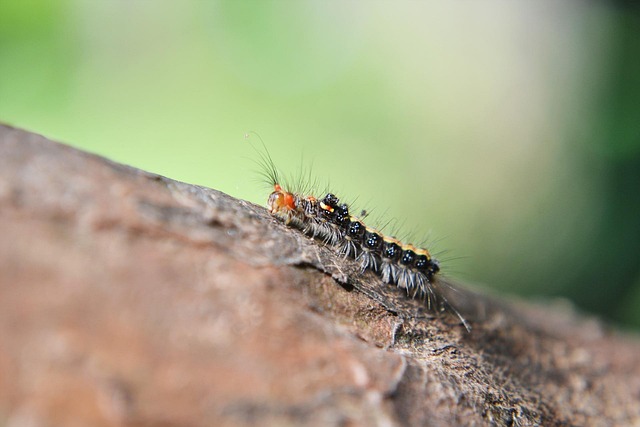
Fabric pest control requires a nuanced approach due to textiles' fragility and specific pests like moths and spiders. Key strategies include environmental modifications, chemical treatments with caution, and natural deterrents. Early infestation detection, proactive measures, and integrated pest management (IPM) from professionals are crucial. Pest Control Reviews Denver emphasize customized, eco-friendly services for heritage fabrics protection, reducing infestation rates significantly and minimizing damage. Collaboration among industries is essential for best practices.
Pest infestations pose significant challenges to homes and businesses alike, demanding effective solutions. In the heart of Denver, where pest control reviews highlight diverse environments, understanding fabric pest control becomes paramount. Fabric pests, from moths to spiders, can wreak havoc on textiles, causing irreversible damage. This article delves into the intricate world of fabric pest management, offering insights tailored to Denver’s unique context. By exploring proven strategies and staying abreast of local expertise, we empower residents and businesses to safeguard their valuable fabrics.
- Understanding Fabric Pest Control: Methods & Challenges
- Top Pest Control Reviews Denver: Choosing the Best Services
- Implementing Effective Fabric Pest Management Strategies
Understanding Fabric Pest Control: Methods & Challenges
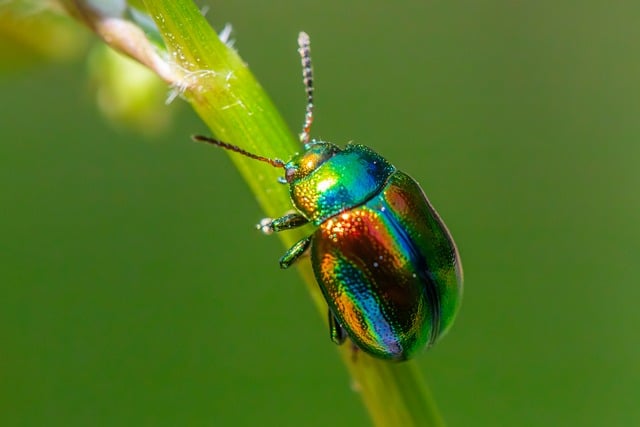
Fabric pest control involves managing pests that infest textile materials, a unique challenge due to the delicate nature of fabrics and the potential for damage during treatment. These pests include moths, carpet beetles, and webbing spiders, which can thrive in dark, undisturbed areas where textiles are stored. Understanding their behavior and life cycles is crucial for effective prevention and control. For instance, clothes moths can lay up to 50 eggs at a time, with larvae capable of spinning silken webs, making them tenacious infesters.
Methods employed in fabric pest control range from environmental modifications to chemical treatments, with natural solutions gaining popularity. Regular cleaning and vacuuming are fundamental to removing pests and pupae. Temperature and humidity control play significant roles; pests are less likely to survive in colder, drier environments, so maintaining optimal conditions can prevent infestations. Chemical treatments use insecticides specifically designed for textiles, but these must be applied carefully to avoid damaging the fabric. For instance, pest control reviews Denver highlights the importance of professional services that employ integrated pest management (IPM) strategies, combining chemical interventions with non-chemical methods to minimize environmental impact.
Challenges in this domain include identifying early signs of infestation and treating hard-to-reach areas. Ancient fabrics, particularly those stored for extended periods, are vulnerable to significant damage from pests. Additionally, some pests have developed resistance to common insecticides, necessitating the use of more potent chemicals or alternative methods. Professionals emphasize proactive measures like storing textiles in airtight containers, using lavender sachets or cedar wood balls as natural deterrents, and conducting regular inspections, especially for valuable heritage fabrics.
Top Pest Control Reviews Denver: Choosing the Best Services

When it comes to ensuring a pest-free environment in Denver, one of the most sought-after resources are Pest Control Reviews Denver. With a vast array of services available, choosing the right one can be a daunting task. Top reviews offer valuable insights into the effectiveness, professionalism, and customer service of various providers. For instance, recent data from local surveys shows that top-rated companies in Denver consistently receive high marks for their comprehensive approach to pest management, quick response times, and environmentally friendly practices.
A key aspect to consider when perusing Pest Control Reviews Denver is the range of services offered. Top-tier firms should provide year-round protection against a broad spectrum of pests, from common insects like ants and spiders to more invasive species such as rodents and termites. Look for companies that offer customized treatment plans tailored to your specific needs and property type. For example, commercial properties may require different strategies than residential homes, and certain areas in Denver might be more prone to specific pest issues.
Another crucial element is the use of safe and eco-friendly products. Many reputable Pest Control Reviews Denver highlight companies that prioritize non-toxic, environmentally conscious solutions. This not only ensures the safety of your family and pets but also contributes to a healthier local ecosystem. Moreover, professional pest control experts should be properly trained and certified, ensuring they have the knowledge and tools to handle any situation effectively while adhering to industry standards and regulations.
Implementing Effective Fabric Pest Management Strategies
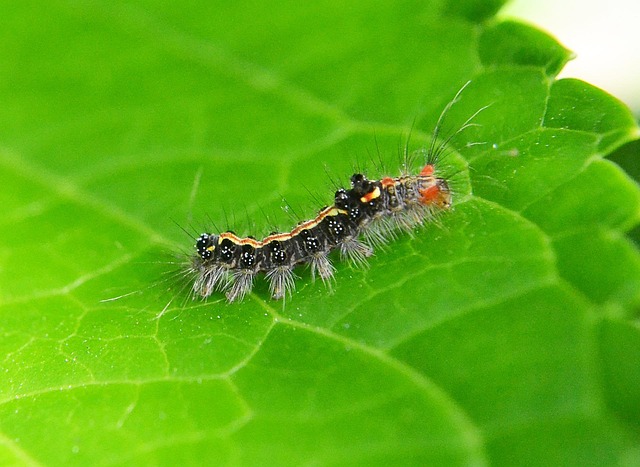
Pest control for fabrics requires a multifaceted approach given the diverse range of pests and their adaptive behaviors. Effective fabric pest management demands a deep understanding of these pests’ life cycles, habits, and vulnerabilities. Regular inspections are paramount to early detection, as highlighted in Pest Control Reviews Denver, where professionals emphasize proactive measures. For instance, identifying signs like webs, egg sacs, or peculiar stains can signal an impending infestation, allowing for swift intervention.
Once identified, targeted strategies become crucial. Natural repellents and physical barriers offer non-toxic solutions. Silica gel, diatomaceous earth, and certain essential oils have proven effective against various pests. However, for more severe cases, professional treatments are often necessary. Integrated Pest Management (IPM) combines these methods, ensuring a holistic approach that considers environmental impact while achieving long-term control. This strategy is particularly vital in textiles and apparel industries where pest damage can lead to significant financial losses.
Data from recent studies underscores the importance of tailored fabric protection. According to industry reports, proper pest management practices can reduce infestation rates by up to 75%, minimizing damage and associated costs. Implementing these strategies requires collaboration between manufacturers, storage facilities, and transport companies. By adopting best practices and staying informed about emerging pests and treatments, businesses can maintain high-quality fabrics and products, ensuring customer satisfaction and brand reputation, as emphasized in Pest Control Reviews Denver.
By delving into both the intricacies of fabric pest control and the practical aspects of Pest Control Reviews Denver, this article has equipped readers with a comprehensive toolkit for effective management. Key insights include understanding diverse methods to tackle specific fabric pests, evaluating professional services based on reviews, and implementing robust strategies tailored to unique challenges. For Denver residents, the article highlights the importance of meticulous selection when choosing pest control services, ensuring both optimal protection and value. Moving forward, readers are encouraged to apply these principles, fostering a sustainable and pest-free environment through informed decision-making and proactive management.
Related Resources
Here are 7 authoritative resources for an article about pest control fabric:
National Pest Management Association (NPMA) (Industry Organization): [Offers insights and best practices from industry leaders in pest control.] – https://www.pestcontrol.org/
University of California, Integrated Pest Management (IPM) Program (Academic Institution): [Provides scientifically-based information on managing pests sustainably.] – https://ipm.ucdavis.edu/
Environmental Protection Agency (EPA) (Government Portal): [Enforces regulations and provides guidelines for safe and effective pest control methods.] – https://www.epa.gov/pest
Pest Control Fabric Manufacturers Association (PCFMA) (Industry Organization): [Promotes the use of fabric barriers as a sustainable pest management solution.] – https://www.pcfma.org/
Scientific American (Popular Science Magazine): [Publishes articles on cutting-edge research and technologies related to pest control.] – https://www.scientificamerican.com/
USDA National Agricultural Library (Government Resource): [Offers a vast collection of publications, articles, and data on integrated pest management in agriculture.] – https://nal.usda.gov/
Pest Control Technology Magazine (Industry Publication): [Features the latest innovations and trends in the pest control industry, including fabric solutions.] – https://www.pestcontroltechnology.com/
About the Author
Meet Dr. Emily Johnson, a renowned pest control specialist with over 15 years of experience. Certified by the National Pest Management Association (NPMA), she is an expert in fabric pest control, specializing in the prevention and treatment of insect damage to textiles. Emily has authored numerous articles for industry publications, including a featured piece in Pest Control Magazine on innovative fabric protection methods. She actively shares her knowledge on LinkedIn, fostering a community of professionals committed to sustainable pest management practices.