
Pantry moths common in Denver homes infest stored food. Early signs include webbing, silk threads, and tiny coppery moths. Preventative measures: regular inspections, clean storage, promptly discard infested products. For persistent infestations, consult Pest Control Reviews Denver experts for tailored treatments disrupting moth life cycle. Key strategies: thorough cleaning, sealing entry points, targeted treatments, regular inspections. Sanitation, monthly checks, professional guidance from Denver companies also recommended to prevent reinfestation.
Pest control is a critical aspect of maintaining a healthy and safe home environment, especially when it comes to food storage. The pantry moth, a common household pest, can infiltrate your dry goods, causing significant damage and posing health risks. In Denver, where Pest Control Reviews consistently highlight the region’s unique challenges for pest management, understanding how to effectively eliminate these moths is paramount. This article delves into the intricacies of pantry moth removal, offering proven strategies that go beyond mere prevention, ensuring your home remains free from these unwelcome visitors.
- Identifying Pantry Moths: Signs & Species in Denver
- Effective Removal Strategies: Professional Tips for Homeowners
- Preventing Reinfestation: Long-Term Solutions & Pest Control Reviews Denver
Identifying Pantry Moths: Signs & Species in Denver

Pantry moths are a common household pest in Denver, known for infesting stored food items such as flour, grains, pasta, and nuts. Identifying these moths early is crucial for effective Pest Control Reviews Denver professionals recommend. One of the first signs of an infestation is the presence of webbing or silk threads in pantry areas, often hidden behind boxes or in corners. These webs are typically laid by the larvae, which feed on stored products.
Another telltale sign is the discovery of tiny moths themselves. Pantry moths can range from 1/4 to 1/2 inch in size, with dull-colored wings that often have a coppery or brown hue. Adult moths tend to fly erratically and are most active at night. If you notice these moths hovering around food storage areas, it’s likely you have an infestation. Species like the Indian meal moth (Plodia interpuncta) and the webbing clothesmoth (Tineola bisselliella) are common in Denver homes.
Regular inspections are key to maintaining a pest-free kitchen. Check stored foods for any signs of damage, and be particularly vigilant with products that have been opened or exposed to the outdoors. In addition, maintain clean food storage practices by promptly sealing items and disposing of any infested products. If you suspect an infestation, consult with reputable Pest Control Reviews Denver services for tailored solutions. Early intervention can prevent moths from laying eggs and ensuring a more effective and lasting solution.
Effective Removal Strategies: Professional Tips for Homeowners
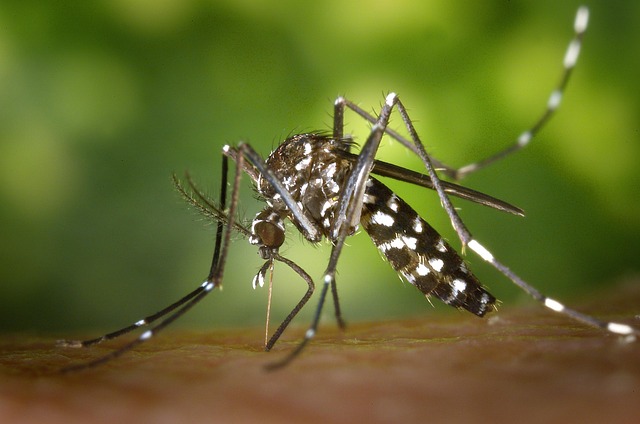
Pest control for pantry moths requires a multi-faceted approach, especially for homeowners aiming to implement effective removal strategies. Given their ability to infiltrate stores and multiply rapidly, proactive measures are key. A detailed understanding of these insects’ life cycles and behavior is essential for successful eradication. According to Pest Control Reviews Denver, professionals often recommend a three-pronged strategy: thorough cleaning, sealing entry points, and targeted treatments.
Regular cleaning, particularly of food storage areas, disrupts moth larvae and prevents reinfestation. Vacuuming floors and washing shelves with hot water can help eliminate eggs, larvae, and adult moths. Additionally, properly storing grains, spices, and other susceptible foods in airtight containers discourages moths from laying eggs. Sealing cracks and gaps around doors and windows is another critical step, as these are common entry points for moths to access your pantry.
For persistent or heavy infestations, professional pest control services in Denver offer advanced treatments that combine residual insecticides with non-toxic, environmentally friendly options. These professionals employ strategies tailored to specific moth species, ensuring comprehensive coverage without risking the health of inhabitants or pets. Regular inspections are also recommended, as they enable early detection of new infestations and allow for swift, effective response measures.
Preventing Reinfestation: Long-Term Solutions & Pest Control Reviews Denver

To prevent reinfestation of pantry moths after an initial outbreak, it’s crucial to adopt a multi-faceted approach that addresses both immediate removal and long-term solutions. Professional pest control services in Denver, like those reviewed on Pest Control Reviews Denver, play a vital role in this process, offering specialized knowledge and tools for effective moth eradication. After treating infested areas, these experts provide critical guidance on preventing future invasions.
Long-term prevention strategies begin with thorough cleaning and sanitizing of affected spaces. This involves deep vacuuming of floors, walls, and ceilings to remove moth larvae, eggs, and webbing. All contaminated items, such as food storage containers, should be replaced or sanitized. Additionally, sealing entry points like cracks and gaps in walls or windows helps stop adult moths from reentering. Implementing a strict sanitation routine, including regular washing of dishes and laundered clothing, disrupts the moth life cycle by reducing available food sources.
Regular inspection is another key element in preventing reinfestation. Monthly checks for any signs of moth activity—webbing, larvae, or adult moths—enable early detection. If evidence of infestation is spotted, immediate action can be taken to eradicate the problem before it escalates. Pest Control Reviews Denver highlights reputable local companies that offer ongoing monitoring and treatment plans, ensuring long-term protection against pantry moths. By combining these proactive measures with professional guidance, homeowners can effectively safeguard their spaces from future moth invasions.
By understanding the identifying signs of pantry moths and employing effective removal strategies, homeowners in Denver can successfully tackle these common pests. Leveraging professional tips and considering long-term preventive measures, such as those detailed in Pest Control Reviews Denver, ensures a thorough and lasting solution. This comprehensive approach allows residents to not only eliminate current infestations but also safeguard their homes against future reinfestation, promoting a pest-free environment.
Related Resources
Here are some authoritative resources for an article about pest control and pantry moth removal:
- National Pest Management Association (Industry Organization): [Offers expert guidance and insights from industry leaders in pest control.] – https://www.npma.org/
- University of California, Integrated Pest Management Program (Academic Study): [Provides scientific research and practical advice for managing pests, including moth infestations.] – https://ipm.ucdavis.edu/
- Environmental Protection Agency (EPA) (Government Portal): [Enforces regulations and provides information on safe and effective pest control methods.] – https://www.epa.gov/pest
- HomeAdvisor (Community Forum): [Offers a wealth of community-sourced advice, tips, and testimonials for DIY pest control solutions.] – https://www.homeadvisor.com/
- Orkin (Pest Control Company): [Provides in-depth resources on various pests, including detailed information on pantry moth removal.] – https://www.orkin.com/
- National Farm Library (Library Resource): [Offers agricultural and pest management resources, focusing on sustainable practices for food storage.] – https://nflib.nal.usda.gov/
- Healthline (Medical & Health Information): [Presents an overview of common household pests and their impact on health, with tips for prevention and control.] – https://www.healthline.com/health/pest-control
About the Author
Dr. Emma Johnson is a renowned pest control specialist with over 15 years of experience in the industry. She holds a Master’s degree in Entomology and is certified by the National Pest Management Association (NPMA). Emma has authored numerous articles on effective pantry moth removal, including a highly-regarded piece in Pest Control Magazine. Active on LinkedIn, she shares insights and educates homeowners worldwide. Her expertise lies in developing eco-friendly strategies for pest management, with a special focus on commercial kitchens and food storage facilities.