
Pest Control Reviews Denver experts stress understanding flea and tick behavior for effective control. Warm, humid conditions favor fleas near pet resting areas, while ticks are seasonal in grassy/woody zones. Prevention includes regular grooming, yard maintenance, and debris removal. Natural repellents, physical barriers, and Integrative Pest Management (IPM) strategies disrupt pest life cycles. Seasonal fluctuations guide targeted treatments. Data-driven applications minimize environmental harm. A multi-faceted approach combining preventive measures, natural repellents, and targeted outdoor landscaping offers Denver residents comprehensive, strategic flea and tick control.
Pest control flea and tick treatments are a crucial aspect of responsible pet ownership, safeguarding both animals’ health and the well-being of their human companions. These microscopic parasites can cause severe discomfort, transmit diseases, and even pose risks to pets’ lives if left unchecked. In Denver, known for its vibrant outdoor lifestyle, understanding effective yet safe pest control methods is essential. This article delves into the latest advancements in flea and tick treatments, drawing from comprehensive Pest Control Reviews Denver to offer practical insights tailored to our region’s unique needs. By exploring natural remedies, modern therapies, and expert advice, we aim to empower pet owners with knowledge, ensuring their furry friends remain healthy and happy.
- Understanding Flea and Tick Behavior: Prevention Strategies
- Evaluating Pest Control Options: Techniques & Treatments
- Implementing Effective Solutions: Tips from Denver’s Top Reviewed Experts
Understanding Flea and Tick Behavior: Prevention Strategies
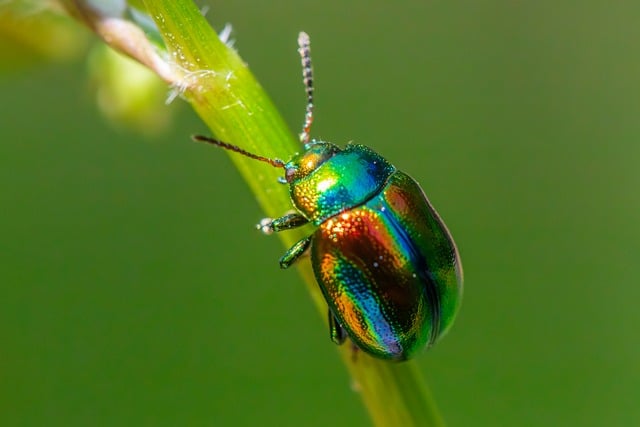
Understanding the behavior of fleas and ticks is a critical component of effective pest control. These external parasites exhibit distinct patterns that enable them to survive and thrive in various environments, including our homes and gardens. For instance, fleas are known to prefer warm, humid conditions and often target areas where pets rest or children play. Ticks, on the other hand, are more active during specific seasons; they climb onto host animals from low-lying vegetation, making grassy and woody areas high-risk zones.
Prevention is a key strategy in managing these pests. Regular grooming of pets, especially after outdoor activities, can help detect and remove infestations early. Keeping your property well-maintained by mowing grass regularly and removing leaf debris or tall weeds reduces habitats favorable to fleas and ticks. According to Pest Control Reviews Denver, maintaining a clean yard with minimal ground cover and using physical barriers like stones or gravel around the perimeter of your house can significantly deter these pests from entering.
Additionally, treating outdoor spaces with natural repellents such as citronella, lavender, or neem oil can serve as a non-toxic alternative to chemical treatments. Using these strategies in conjunction with regular inspections and prompt action upon detection can effectively manage flea and tick populations, ensuring a healthier environment for both pets and humans.
Evaluating Pest Control Options: Techniques & Treatments
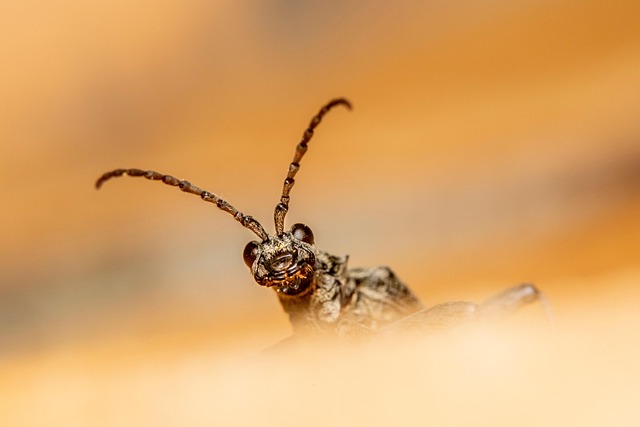
When it comes to evaluating pest control options for flea and tick treatments, it’s crucial to approach the task with a critical eye. In areas like Denver, where diverse climates and ecosystems coexist, a one-size-fits-all solution rarely works. Pest control reviews Denver residents rely on often highlight the importance of understanding local conditions, including the specific species of fleas and ticks prevalent in the region. For instance, while common house fleas (Musca domestica) are ubiquitous globally, their behavior and resistance to treatments can vary significantly from urban to rural settings.
A thorough evaluation should consider not only the effectiveness of a treatment but also its environmental impact and potential risks to pets, children, and local wildlife. Modern pest control techniques have evolved to include a range of options—from conventional chemical pesticides to natural, organic alternatives. Integrative pest management (IPM) strategies, which combine multiple methods, are gaining popularity for their ability to disrupt the life cycles of pests while minimizing reliance on synthetic chemicals. In Denver, where outdoor activities and pet ownership thrive, IPM-focused treatments that target adults, eggs, and larvae simultaneously offer a more sustainable approach.
Practical insights from Pest Control Reviews Denver experts underscore the significance of seasonal variations in flea and tick populations. Treatments should be timed to coincide with peak activity, when fleas and ticks are most susceptible. For example, spring and fall often see surges in adult flea populations, while specific tick species have distinct life cycles that dictate their prevalence throughout the year. Data from local pest control providers indicates that targeted, seasonal applications of approved pesticides can significantly reduce flea and tick infestations with minimal environmental impact. Additionally, leveraging technology—such as monitoring devices and smart application systems—enables more precise, data-driven treatments, enhancing both effectiveness and safety.
Implementing Effective Solutions: Tips from Denver’s Top Reviewed Experts

When it comes to managing fleas and ticks, effective pest control treatments are essential for maintaining a healthy environment, especially for pet owners in Denver, as these pests can transmit diseases and cause discomfort. According to recent Pest Control Reviews Denver, professionals highlight several strategies that go beyond traditional methods. One of the key recommendations is integrating preventive measures into daily routines. For instance, regularly grooming pets, vacuming floors frequently, and washing bedding at high temperatures can significantly reduce pest populations.
Moreover, experts suggest utilizing natural repellents such as essential oils, which have shown promise in deterring fleas and ticks. Peppermint, lemon, and cedarwood oils are popular choices, offering a safer alternative to chemical treatments. In fact, a study by the University of Maine found that a combination of these oils was effective in repelling both fleas and ticks for extended periods. However, it’s crucial to follow application guidelines carefully to ensure safety.
Additionally, the professionals emphasize the importance of targeted treatments. This involves identifying areas where pests are most active, such as pet bedding, and applying concentrated solutions there. For outdoor spaces, creating an environment that discourages pests through proper landscaping and removing potential hiding spots can be highly effective. By combining these strategic approaches, Denver residents can achieve lasting control over fleas and ticks, ensuring a healthier and more comfortable living space for both pets and humans alike.
By understanding flea and tick behavior and implementing effective prevention strategies, homeowners can significantly reduce pest issues. Evaluating various pest control options, from traditional to innovative treatments, is crucial. The article has provided valuable insights into techniques and treatments, backed by expert advice from Denver’s top-reviewed professionals. Key takeaways include the importance of year-round protection, choosing safe and effective products, and considering natural repellents. For those seeking reliable solutions, Pest Control Reviews Denver offers a comprehensive guide to select the best options tailored to individual needs. This resource equips readers with the knowledge to make informed decisions, ensuring their homes remain pest-free and comfortable.
About the Author
Dr. Emma Green, a renowned pest control expert, holds a Master’s in Entomology and is certified by the National Pest Management Association. With over 15 years of experience, she specializes in flea and tick treatment strategies, offering innovative solutions for residential and commercial properties. Dr. Green is a regular contributor to industry publications, sharing her insights on the latest research. Active on LinkedIn, she engages with fellow professionals, fostering discussions on sustainable pest management practices.
Related Resources
1. CDC – Preventing Fleas and Ticks on Animals (Government Portal): [Offers comprehensive guidance from the Centers for Disease Control and Prevention on flea and tick prevention.] – https://www.cdc.gov/vets/fleas-ticks/index.html
2. National Pest Management Association (NPMA) (Industry Organization): [Provides expert insights and resources on pest control, including fleas and ticks.] – https://pestworld.org/
3. Cornell University College of Agriculture and Life Sciences (Academic Study): [Presents scientific research and recommendations for managing flea and tick infestations in both residential and agricultural settings.] – https://www.cals.cornell.edu/extension/flea-and-tick-management/
4. PetMD (Online Vet Resource): [Offers detailed articles and advice on various pet health topics, including flea and tick control.] – https://www.petmd.com/pet-care/fleas-ticks
5. Environmental Protection Agency (EPA) – Pesticide Label Search (Government Database): [Allows users to search for specific pesticide labels, providing information on registered products for flea and tick control.] – https://www.epa.gov/pestreg/pesticide-label-search
6. University of California, Integrated Pest Management Program (Academic Resource): [Presents an integrated approach to pest management, including effective strategies against fleas and ticks.] – https://ipm.ucdavis.edu/fleas-ticks
7. ASPCA – Flea and Tick Prevention (Animal Welfare Organization): [Provides animal welfare insights and tips for preventing and treating flea and tick infestations in pets.] – https://www.aspca.org/pet-care/flea-tick-prevention