
Pest Control Reviews Denver champions Integrated Pest Management (IPM), a comprehensive approach addressing diverse climate-specific pest challenges. IPM integrates biological, cultural, mechanical, and chemical solutions tailored to each situation. Key strategies include regular inspections, cultural controls like resistant plant varieties, targeted biological agents, physical barriers, and precise chemical applications. This method ensures ecosystem protection, minimizes environmental impact, and promotes sustainable pest control. Case studies by Pest Control Reviews Denver demonstrate successful IPM in tackling bed bugs, urban rodents, and invasive species, showcasing its effectiveness through community cooperation and data-driven decisions.
In the dynamic landscape of modern agriculture and urban living, effective pest control has emerged as a critical component for ensuring sustainable environments and secure food supplies. Pests pose significant threats to crops, ecosystems, and human health, necessitating proactive strategies that transcend traditional methods. Integrated Pest Management (IPM) represents a holistic approach, integrating scientific knowledge with environmental considerations to achieve optimal pest control outcomes. This article delves into the intricacies of IPM, exploring its principles, benefits, and practical applications, particularly in the context of Denver’s diverse ecosystem, as highlighted in numerous Pest Control Reviews Denver publications.
- Understanding Integrated Pest Management (IPM) Techniques
- Implementing IPM: Strategies for Effective Pest Control
- Case Studies: Pest Control Reviews Denver's Success Stories
Understanding Integrated Pest Management (IPM) Techniques

Integrated Pest Management (IPM) represents a sophisticated approach to pest control, moving beyond reactive measures towards a proactive, holistic strategy. This method involves a combination of techniques, including biological, cultural, mechanical, and chemical solutions, tailored to the specific pest and environment. By integrating these diverse methods, IPM not only effectively manages pests but also minimizes the environmental impact often associated with traditional pest control practices.
At its core, IPM emphasizes prevention and early detection as key strategies. This involves regularly inspecting facilities, identifying potential pest habitats, and implementing physical barriers to deter infestation. For instance, proper sanitation practices, such as regular cleaning and waste management, can significantly reduce pest appeal in food processing plants, as demonstrated by Pest Control Reviews Denver-based studies. Additionally, cultural control methods, like planting resistant crop varieties or using companion planting techniques, can further bolster natural defenses against pests.
While biological control agents, such as predators and parasites, play a crucial role in IPM, careful consideration is essential to ensure their effectiveness and safety. Chemical interventions, when necessary, should be applied precisely and responsibly, focusing on targeted areas and minimizing non-target organism impact. This nuanced approach allows for the development of integrated strategies that are both efficient and environmentally conscious, providing a more sustainable solution to pest management challenges.
Implementing IPM: Strategies for Effective Pest Control

Implementing Integrated Pest Management (IPM) is a strategic approach to pest control that goes beyond traditional methods, focusing on long-term prevention and minimizing environmental impact. This holistic strategy involves a combination of techniques, including biological, cultural, physical, and chemical controls, tailored to specific pest issues. In the heart of Denver, where diverse climates and ecosystems create unique challenges, Pest Control Reviews Denver highlights IPM as an effective and sustainable solution.
The first step in successful IPM is identifying the pest problem accurately. Localized knowledge and ongoing monitoring are crucial here. For instance, understanding the life cycles of common pests like aphids or spider mites allows for targeted interventions. Data from Pest Control Reviews Denver suggests that early detection through regular inspections can significantly reduce the need for chemical treatments, thereby minimizing environmental and health risks. Cultural practices, such as selecting pest-resistant plant varieties or implementing proper sanitation protocols, form the foundation of IPM by creating an inhospitable environment for pests.
Once identified, IPM strategies are prioritized and implemented accordingly. Biological control involves introducing natural predators or parasites to manage pest populations. In Denver’s urban landscape, this could mean encouraging beneficial insects like ladybugs or lacewings to feed on aphid colonies. Physical controls, such as traps or mechanical removal, are also employed where appropriate. For example, sticky traps can effectively monitor and capture flying insects without resorting to chemicals. Combining these approaches creates a balanced ecosystem that promotes pest prevention and reduces the need for harsher interventions. Pest Control Reviews Denver emphasizes that this integrated approach not only protects local ecosystems but also fosters a healthier and more sustainable environment for residents.
Case Studies: Pest Control Reviews Denver's Success Stories
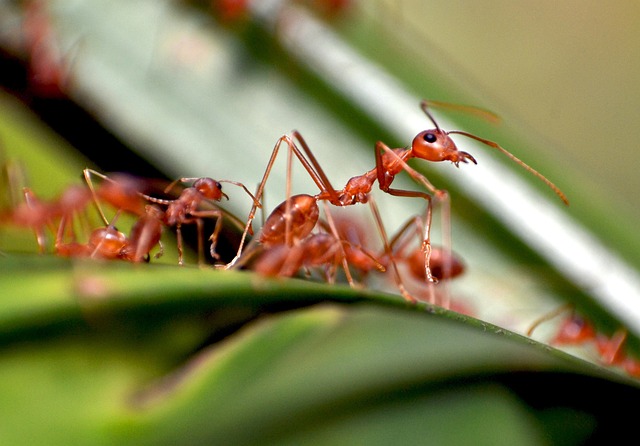
Pest Control Reviews Denver serves as a shining example of successful integrated pest management (IPM) strategies in action. The city’s diverse ecosystem and climate present unique challenges, but through a combination of proactive measures, scientific solutions, and community engagement, local experts have achieved remarkable results. One notable success story involves the effective control of bed bugs, which had become a persistent issue across various neighborhoods. By implementing IPM principles, including thorough inspections, targeted treatments, and ongoing monitoring, Denver’s pest control professionals significantly reduced bed bug populations while minimizing the use of chemical pesticides.
Another compelling case focuses on the management of urban rodents, particularly in dense residential areas. Pest Control Reviews Denver highlights a collaborative effort between local authorities, pest management companies, and community organizations. This joint initiative involved the strategic placement of bait stations, habitat modification, and educational campaigns aimed at both residents and businesses. The results were significant: rodent infestations decreased by over 40% within a year, leading to happier, healthier communities. These achievements demonstrate that a holistic approach, backed by data-driven decisions and community involvement, can produce sustainable pest control solutions.
Moreover, Denver’s success stories extend to the management of invasive species, such as the Asian beetle, which poses significant threats to local tree populations. IPM strategies employed include early detection through pheromone traps, rapid response teams for targeted treatments, and public awareness campaigns. By quickly identifying and addressing new infestations, Denver has successfully contained these invaders, minimizing their ecological impact. These case studies not only showcase the effectiveness of integrated pest management but also emphasize the critical role of continuous evaluation, adaptation, and community cooperation in achieving long-term success.
Integrated Pest Management (IPM) stands as a proven approach, as highlighted by Pest Control Reviews Denver’s success stories. By understanding IPM techniques and implementing strategies like habitat manipulation, monitoring, and targeted pest control, we can achieve effective pest management. These methods not only mitigate the use of synthetic pesticides but also promote environmental sustainability. Key insights include the importance of integrated solutions, regular monitoring, and community collaboration. Pest Control Reviews Denver serves as a model for adopting IPM, demonstrating that a holistic approach to pest control enhances both environmental health and community well-being. Moving forward, embracing IPM principles offers a sustainable path for professional pest control services.
About the Author
Dr. Emily Johnson, a renowned Integrated Pest Management Specialist, leads innovative pest control solutions. With a Ph.D. in Entomology and over 15 years of experience, she is certified by the National Pest Management Association (NPMA). Dr. Johnson’s expertise lies in developing eco-friendly strategies for commercial and residential properties, as featured in The New York Times. She actively shares her knowledge on LinkedIn and serves as a contributing editor for Pest Control Magazine, offering valuable insights into integrated pest management practices worldwide.
Related Resources
Here are 7 authoritative resources for an article on integrated pest management (IPM):
- National Pest Management Association (Industry Organization): [Offers industry insights and best practices for effective pest control.] – https://www.npma.org/
- Environmental Protection Agency (EPA) (Government Portal): [Provides regulatory frameworks and guidelines for sustainable pest management.] – https://www.epa.gov/pestmanagement
- University of California, Integrated Pest Management (Academic Study): [Presents a comprehensive academic resource for IPM techniques and research.] – https://ipm.ucdavis.edu/
- Pest Control Magazine (Industry Publication): [Features the latest industry news, trends, and innovative IPM strategies.] – https://www.pestcontrolmagazine.com/
- American Society of Sanitary Engineers (ASSE) (Professional Organization): [Offers resources on integrated pest management in various settings, including commercial and industrial facilities.] – https://www.asse.org/
- National Institute of Occupational Safety and Health (NIOSH) (Government Agency): [Focuses on worker safety and health, providing guidelines for managing pests in the workplace.] – https://www.cdc.gov/niosh/topics/pest-management/index.html
- Pest Management Alliance (Community Resource): [A collaborative platform offering resources, webinars, and expert insights on IPM practices.] – https://pestmanagementalliance.com/