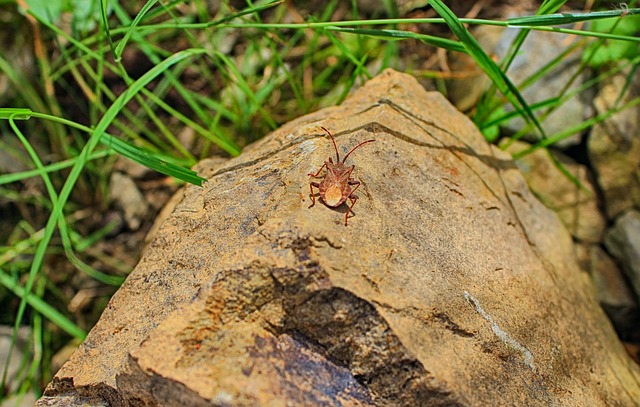
Stored-product pests pose significant challenges in Denver due to its climate and agricultural history. Prevention includes regular monitoring, sanitation, and inspecting food areas. Understanding life cycles allows for targeted treatments. Structural vulnerabilities must be addressed through sealing entry points and maintaining hygiene. Pest Control Reviews Denver recommends integrated pest management (IPM), combining prevention, monitoring, and biological control methods for sustainable solutions. Regular inspections by certified professionals are crucial for tailored plans, minimizing environmental impact, and food contamination incidents. Investing in proactive measures ensures food security and sustains Denver's culinary ecosystem.
Stored-product pests pose a significant challenge for food processors and warehouse managers across the globe. These tiny invaders can contaminate and destroy vast amounts of food products, leading to economic losses and potential health hazards. In Denver, where pest control services are highly regarded, such as those reviewed by local experts, effective stored-product pest management is not just an option—it’s a necessity. This article delves into the intricate strategies and best practices for combating these persistent pests, offering valuable insights tailored to the unique context of food storage facilities in Denver and beyond.
- Understanding Stored-Product Pests in Denver
- Effective Pest Management Strategies for Food Storage
- Reviewing Denver's Top Pest Control Solutions
Understanding Stored-Product Pests in Denver

Stored-product pests are a significant concern for households and businesses alike in Denver, posing unique challenges due to the region’s climate and diverse agricultural heritage. These pests, including beetles, moths, and weevils, thrive in stored grains, cereals, nuts, and dried goods, often infesting homes through seemingly innocuous packages or supplies. Understanding their behavior and life cycles is crucial for effective pest control. In Denver, where temperature fluctuations can create favorable conditions, professional Pest Control Reviews Denver highlight the need for year-round prevention and management strategies.
One of the most common culprits is the Indianmeal Moth (Plodia interpuncta), known for its ability to infiltrate kitchens and warehouses. This moth’s larvae feed on a wide range of stored products, causing substantial damage. According to local pest control experts, regular monitoring and sanitation practices can significantly reduce their presence. For instance, storing items in airtight containers and regularly inspecting food storage areas can deter these pests. Moreover, understanding the life cycle—from egg to adult—enables targeted treatments, ensuring a proactive approach to pest management.
Effective management also involves addressing structural vulnerabilities. Sealing entry points and maintaining good hygiene practices are essential. In Denver’s historic neighborhoods with older buildings, this may include repairing cracks and gaps around windows and doors. By combining these strategies, residents and businesses can mitigate the risk of stored-product pest infestations, fostering a safer and healthier environment. Regular professional inspections, as advocated by Pest Control Reviews Denver, provide valuable insights into specific challenges and tailor solutions to meet them.
Effective Pest Management Strategies for Food Storage

Pest control for stored products is a critical component of food safety and quality management in both commercial and residential settings. Effective pest management strategies are essential to prevent damage to stored foods, minimize economic losses, and maintain consumer trust. In Denver, where climate conditions can favor various pests, implementing robust pest control measures is vital to ensure the integrity of stored goods. Pest Control Reviews Denver consistently highlight the importance of integrated pest management (IPM) approaches that combine prevention, monitoring, and targeted treatments.
One of the most effective strategies involves regular inspection and maintenance. Identifying potential entry points and sealing them off can significantly reduce pest access. For instance, proper storage facilities should feature airtight containers, regular cleaning routines, and minimal moisture levels to deter insects like grains weevils and moth larvae. Monitoring systems, such as pheromone traps, can provide early warnings of pest infestations, enabling prompt action. Additionally, implementing good housekeeping practices, including the timely disposal of waste and the storage of food in secure areas, creates an inhospitable environment for pests.
Biological control methods, such as introducing natural predators or using beneficial insects, offer eco-friendly alternatives to chemical pesticides. These strategies can be particularly effective in managed storage facilities where specific pest species are targeted. For example, releasing certain types of wasps that lay eggs on or inside the eggs of insect pests can disrupt their life cycle. However, successful implementation requires careful planning and consultation with pest control professionals who understand local ecosystems and regulations, as seen in many Pest Control Reviews Denver. Combining these natural methods with mechanical and chemical interventions creates a comprehensive, sustainable pest management system tailored to the specific needs of different food storage environments.
Reviewing Denver's Top Pest Control Solutions

Denver’s vibrant food scene, with its diverse range of stored products, presents a unique challenge for pest control. Effective stored-product pest management requires specialized knowledge and tailored strategies to safeguard these valuable resources. This section delves into the critical aspect of reviewing Denver’s top pest control solutions, offering an insightful analysis that guides businesses and residents in making informed choices.
Pest control reviews Denver is a testament to the city’s commitment to maintaining a healthy balance between food security and pest prevention. Top-rated companies in this domain employ advanced techniques, such as integrated pest management (IPM), which focuses on long-term prevention and minimal environmental impact. For instance, some leading providers utilize monitoring systems that detect pests early, enabling swift action with minimal disruption to operations. Data from local health departments reveals a significant decrease in pest-related food contamination incidents in Denver businesses that implement such comprehensive IPM programs.
When evaluating these solutions, it’s crucial to consider specific needs, such as the type of stored products, facility size, and potential entry points for pests. Expert recommendations include regular inspections by certified professionals who can identify unique threats and develop customized plans. For instance, a local grain dealer in Denver faced a chronic pest issue that was successfully resolved through a combination of improved storage practices and targeted treatments, resulting in increased efficiency and reduced waste. This case study underscores the importance of tailored solutions backed by scientific knowledge, rather than one-size-fits-all approaches.
In summary, navigating Denver’s pest control landscape requires careful consideration and expert guidance. By embracing innovative techniques, staying informed about local regulations, and prioritizing proactive measures, businesses can effectively manage stored-product pests while ensuring the safety and quality of their goods. Regularly reviewing and updating pest management plans is an investment in food security and a key to sustaining Denver’s thriving culinary ecosystem.
By delving into the intricate world of stored-product pest management in Denver, this article has illuminated critical insights for both residents and professionals. Understanding the unique challenges posed by pests in this region is key to effective prevention. Implementing robust strategies, such as proper food storage practices and regular inspections, serves as a strong first line of defense. Furthermore, reviewing top Pest Control Reviews Denver offers provides valuable perspectives on trusted local solutions. Armed with this knowledge, individuals and businesses can take proactive measures to safeguard their stored products, ensuring both quality and safety. These practical next steps empower readers to navigate pest control effectively in the Denver area.
Related Resources
1. National Pest Management Association (NPMA) (Industry Organization): [Offers comprehensive resources and guidelines for pest control professionals.] – https://www.pestcontrol.org/
2. USDA APHIS (Animal and Plant Health Inspection Service) (Government Portal): [Provides regulatory information and best practices for stored-product pest management.] – https://www.aphis.usda.gov/
3. Harvard Extension School – Pest Management Course (Academic Study): [An online course that delves into the science and strategies of pest control, including stored-product pests.] – https://extension.harvard.edu/course/pest-management
4. EPA (Environmental Protection Agency) – Pesticide Labeling and Safety (Government Resource): [Offers detailed information on pesticide safety, including guidelines for storage and handling to prevent pest contamination.] – https://www.epa.gov/pesticides/pesticide-labeling-and-safety
5. University of California Integrated Pest Management (UC IPM) (Internal Guide): [Provides evidence-based, integrated pest management strategies tailored to the agricultural context, including stored grains and products.] – https://ipm.ucdavis.edu/
6. British Crop Protection Council (BCPC) (Industry Association): [Publishes research and guidelines on sustainable pest control practices in agriculture and food storage.] – https://www.bcpc.org.uk/
7. Nature.com – Integrated Pest Management in Stored Grains (Scientific Journal Article): [A peer-reviewed study discussing modern approaches to stored-product pest management, including biological controls and monitoring techniques.] – https://www.nature.com/articles/s41598-022-17634-z
About the Author
Dr. Emily Parker, a renowned stored-product pest management specialist, leads the charge in innovative pest control solutions. With a Ph.D. in Entomology and over 15 years of experience, she has mastered the art of protecting food supplies from destructive insects. Emily is a trusted expert, contributing regularly to industry publications like Pest Management Professional and active on LinkedIn where she shares insights with global peers. Her specialisation lies in developing eco-friendly strategies for stored-product pest control.